
Summary: After a family meal, keep everyone involved with shared cooking, simple games, a movie, music challenges or home karaoke. When children, adults and older relatives are together, choose activities with easy rules, flexible participation and minimal language or age barriers.
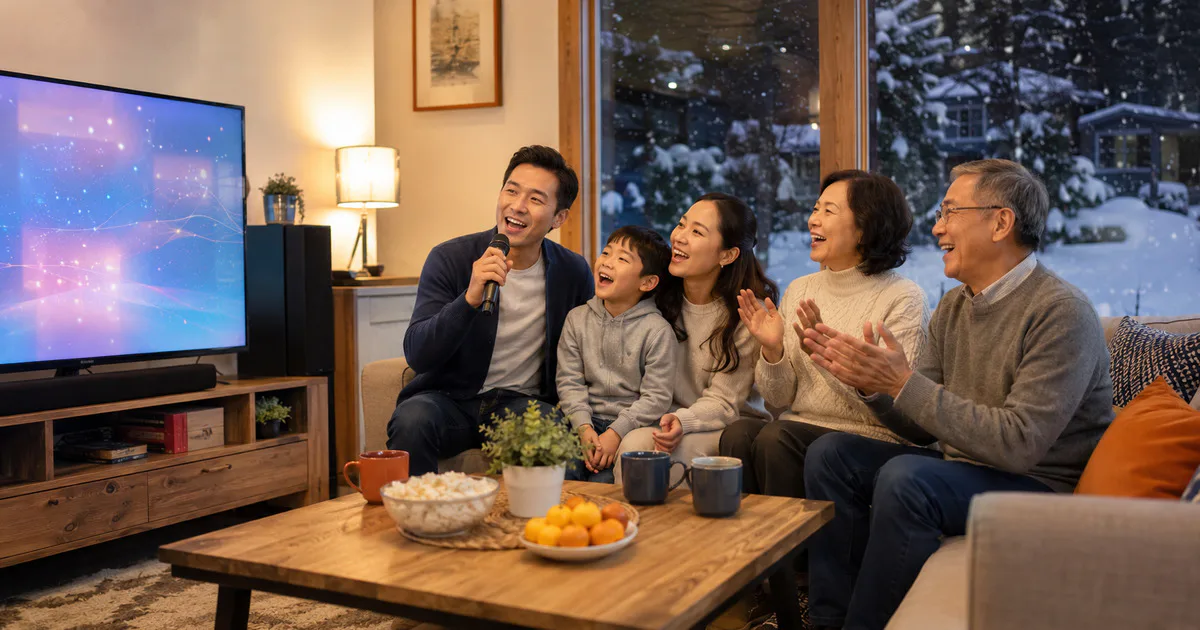
The best part of a family gathering is the rare chance for relatives and friends to spend time together. After hot pot, a potluck or a backyard barbecue, however, some guests may keep talking while others reach for their phones and the room gradually becomes quiet. Often, the group simply needs an activity that different generations can join together.
What can families do after dinner?
Direct answer: Try a simple board or card game, watch a movie or sporting event, play name-that-tune or a family memory game, or sing karaoke at home. For a wide age range, simple activities and home karaoke make it easier for everyone to join.
Preparation, space and participation vary by activity. Use this comparison to plan the flow of the gathering.
| Family activity | Preparation | Suitable ages | Interaction | Best stage |
|---|---|---|---|---|
| Prepare food together | Medium | All ages | High | Beginning |
| Board or card games | Low to medium | Children to adults | High | Before or after dinner |
| Movies, shows or sports | Low | All ages | Low to medium | After-dinner rest |
| Music and party games | Low | Children to adults | High | Warm-up or teams |
| Home karaoke | Low | All ages | High | Main event or finale |
1. Prepare hot pot, a potluck or a barbecue together
Open the conversation by preparing food together
Common Canadian family gatherings include hot pot, potlucks and summer backyard barbecues. Instead of leaving all the work to the host, invite each household to bring a dish or ask guests to wash vegetables, make dumplings or prepare food for the grill.
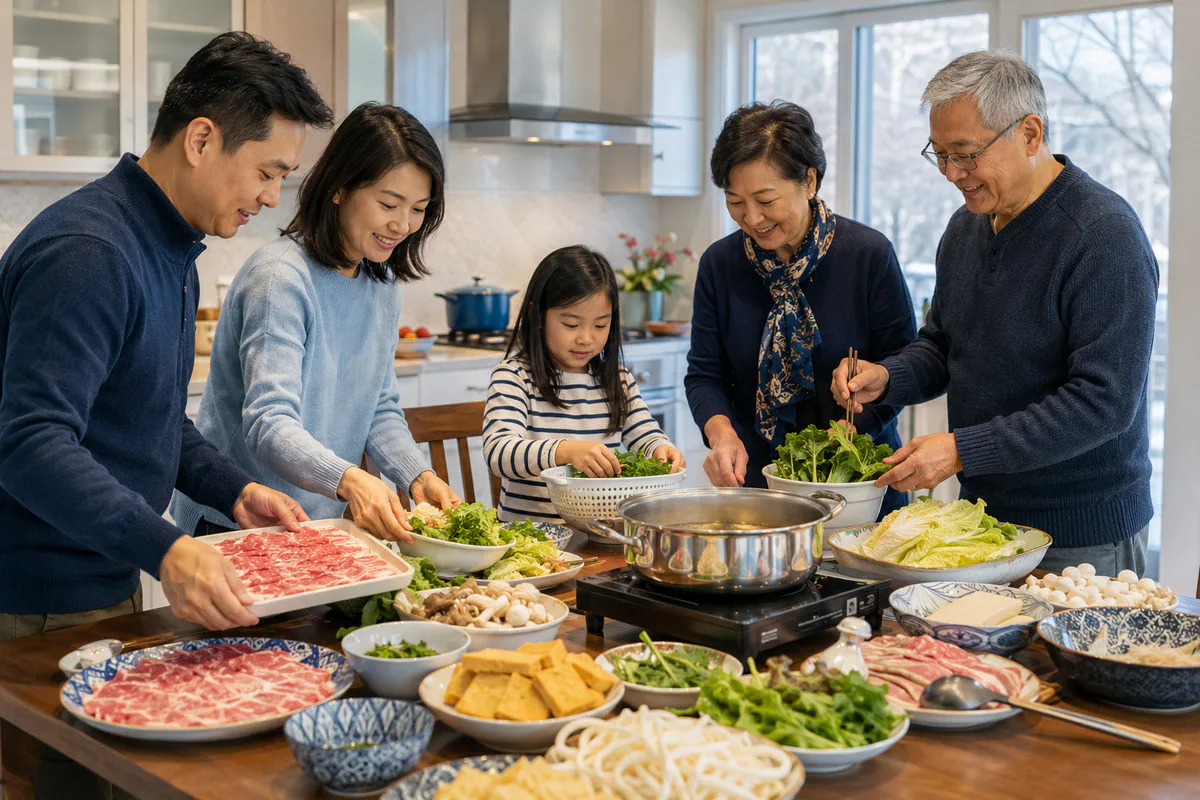
Cooking together creates an easy starting point for conversation. Even guests meeting for the first time can talk about ingredients, hometown flavours and cooking methods. Food usually works best as the opening activity; once everyone has eaten, another activity can keep the group connected.
2. Choose a board or card game with simple rules
UNO, drawing games and simple cooperative games can quickly bring energy into the room. A useful test is whether the rules can be explained in five minutes. Games that require long instructions, many roles or extended waiting may lose children and older relatives. For a three-generation gathering, divide guests into family teams so experienced players can help newcomers.
3. Watch a Chinese-language movie, variety show
After dinner, guests may want time to relax. A Chinese-language movie, variety show, concert or popular sporting event can fill that role. Let everyone vote on the program, predict the result or share related memories while watching.
Viewing is less interactive than a game, so it works best as a transition or rest period rather than the only activity of the gathering.
4. Play music, memory or party games
Party games do not need complicated supplies. A phone, a few old photographs or one simple prompt may be enough.
- Play the opening of a song and guess the title or singer.
- Look at family photos and guess the year or location.
- Play a family version of a drawing game.
- Create older-adult, younger-adult and parent-and-child teams that make questions for one another.
- Ask each person to share two true stories and one false story for the group to identify.
The objective is not simply to win. Songs, photographs and stories help relatives rediscover shared memories. Familiar Chinese-language music, movies and holiday traditions can also connect family members who grew up in different places.
5. Make home karaoke an activity for three generations
Direct answer: Home karaoke works well for three generations. Older relatives can choose classics, younger adults can sing current Mandarin or Cantonese hits, and children can sing and move along. Guests who do not want a solo can join a chorus, select songs, take photos or cheer for the singers.
Karaoke has a relatively low barrier to participation. Guests do not need to learn complicated rules or remain involved from the start. When a familiar melody begins, people who were sitting nearby may naturally start singing along.
- Three-generation family gatherings
- Birthdays and holiday celebrations
- Lunar New Year, Christmas and long weekends
- Visits from relatives or friends
- Indoor entertainment during a Canadian winter
- Families that do not want to book another venue
Home karaoke follows the natural rhythm of a family gathering. People can sing when they feel like it and sit down to talk when they need a break. Children do not have to stay seated for long periods, and older relatives do not need additional late-night transportation.
What can families do indoors during a snowy Canadian winter?
Direct answer: On a snowy or very cold day, families can watch Chinese-language movies or shows, play games, try music challenges and sing karaoke at home. Watching first and moving to karaoke later balances rest and interaction for all ages.
Enjoy a movie in a warm living room
Canadian winter days are short, and a home gathering may be more convenient than several outdoor activities when it is snowing or road conditions are poor. Prepare warm drinks and snacks, then watch a Chinese-language movie, classic series, variety show or concert. Ask each family member for one suggestion and vote before the program begins.
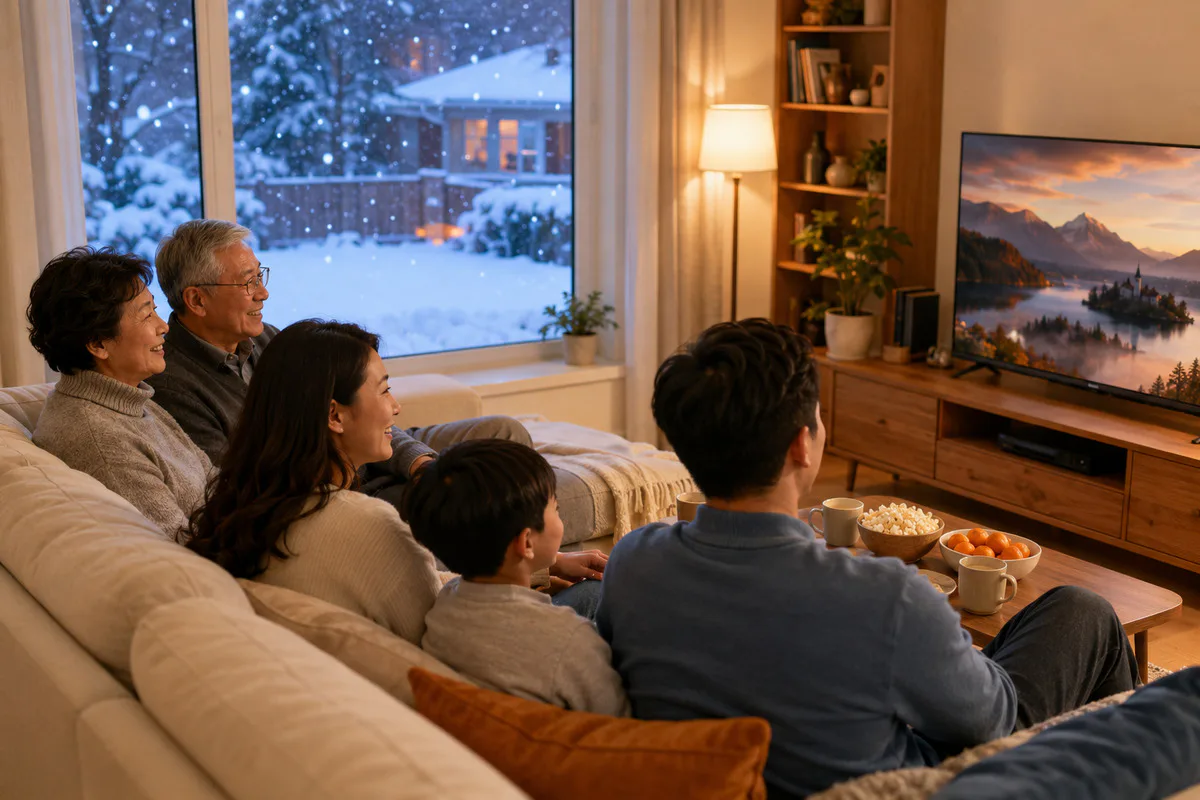
Move from movie time to karaoke
After a movie or show, begin karaoke with a song from the program, its theme music or another familiar classic. The family can stay in the warm living room without travelling between venues or dealing with snow and late-night transportation.
Do you need a full professional KTV setup at home?
Direct answer: A full commercial KTV system is not always necessary. A home entertainment service with a karaoke feature can simplify the setup, although compatible microphones and any required accessories must still meet the product requirements.
In addition to Chinese-language live channels, movies, dramas and variety programming, iTalkBB Chinese TV includes a karaoke feature. Families can open the feature on their television and organize a Chinese-language sing-along in the living room.
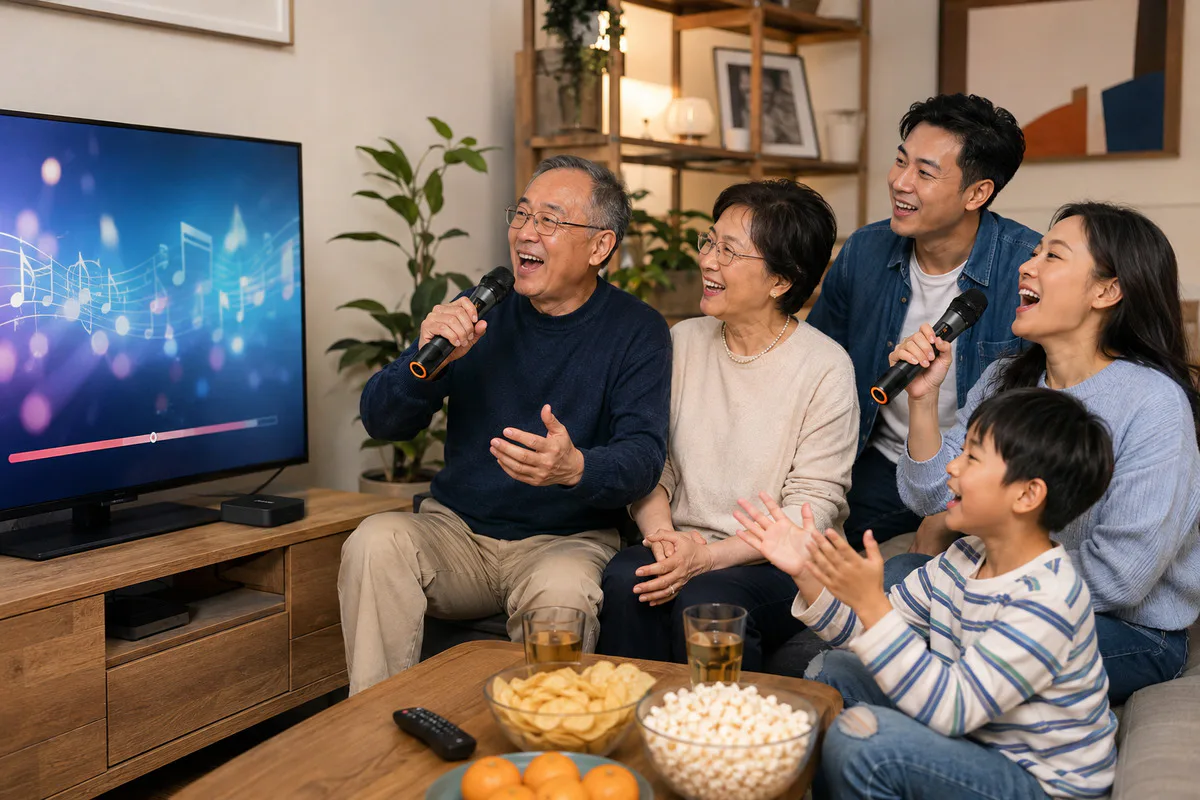
This option suits families that want Chinese entertainment and a gathering activity without placing large professional equipment in the home.
How to plan a family gathering that keeps everyone involved
Step 1: Confirm the guest count, ages and available space
Identify children, older relatives and guests meeting for the first time. Consider living-room space, preparation time and budget. For a wide age range, favour activities with simple rules, short waits and flexible participation.
Step 2: Begin with food and easy conversation
Use a potluck, hot pot or shared snack preparation to help everyone settle in naturally.
Step 3: Plan a short after-dinner rest
Watch part of a Chinese-language movie, variety show or sporting event so guests can relax.
Step 4: Add a highly interactive game
Use music, family photographs or a simple board game to lift the energy again.
Step 5: Make a family sing-along the main event
Start with a song that most people know and invite the group to sing together. This is usually easier than asking one person to perform a solo immediately.
Frequently Asked Questions
What works for a small family gathering?
For four to six people, try a simple card game, cooperative board game, movie vote, song rotation or group sing-along. A large party game is not necessary.
What can children and older relatives enjoy together?
Choose activities that do not depend on fast reactions or complex reading, such as picture guessing, music games, sharing old photos and family sing-alongs.
Can people who do not sing still join family karaoke?
Yes. They can choose songs, join a chorus, take photos, cheer for relatives or select the next track.
How can I prevent a family gathering from losing momentum?
Plan more than one activity. A useful sequence is food and conversation, a short rest, an interactive game and a family sing-along, with one or two backup activities ready.
Start the next family gathering with a familiar song
The value of a family gathering is not the number of activities on the schedule. It is whether everyone can put down their phone and reconnect with the people in the room.
For more Chinese-language entertainment and home karaoke, explore the programming and karaoke features available with iTalkBB Chinese TV for birthdays, holidays, weekends and family visits.
Product and application details: Explore iTalkBB Chinese TV
Store finder: Find an iTalkBB store in Canada
Customer service: Contact iTalkBB Canada
Information and promotion notice: Product features, plans, prices and promotions may change. Current promotions, product pages and service terms apply. We cannot guarantee that third-party or external information will remain unchanged; verify the latest information before publication or use.