
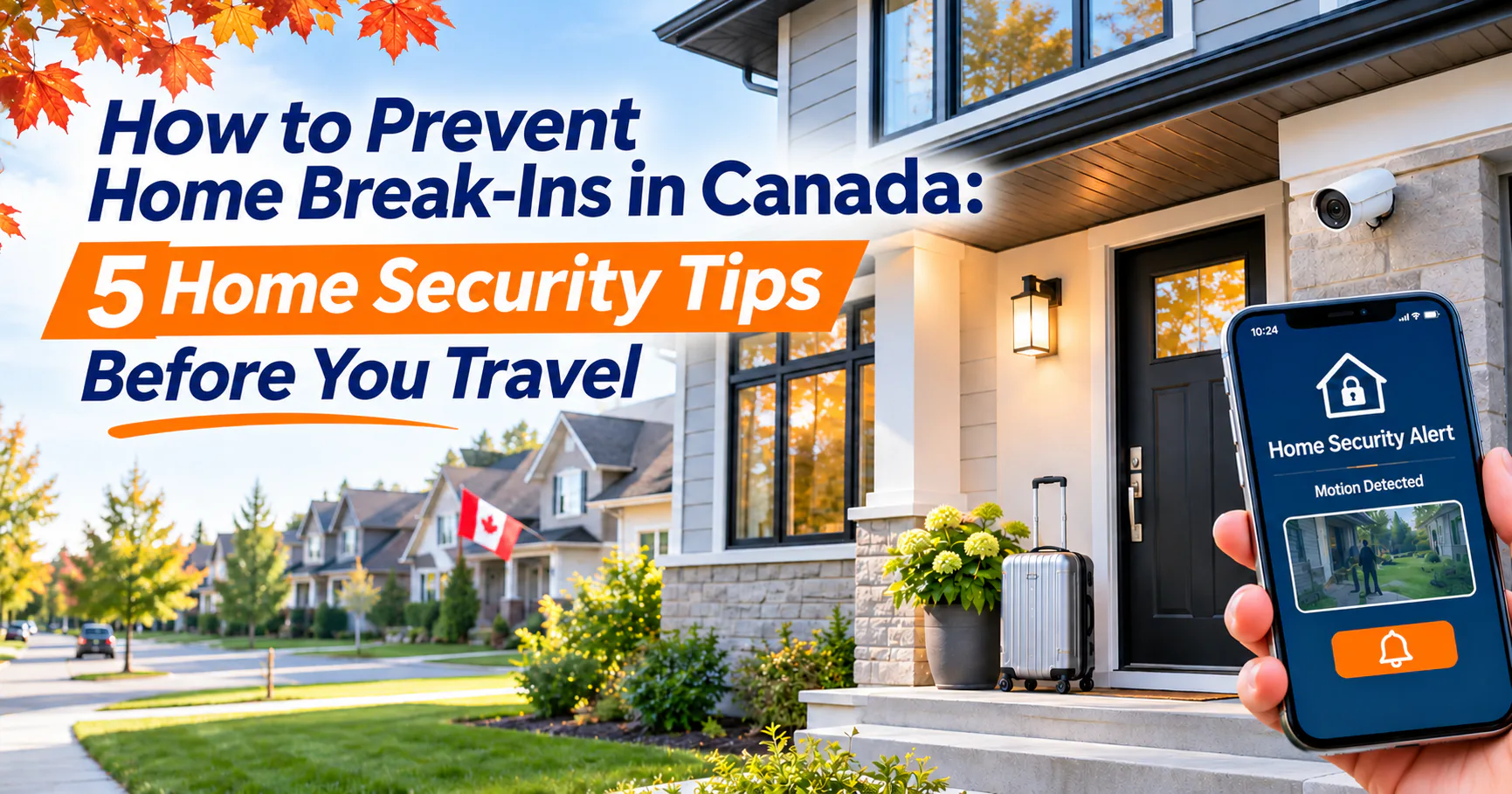
According to information published by Allstate Canada, its analysis of ten years of property-theft claims found more incidents from July through November, peaking in August. Fridays had the most claims, followed by Thursdays. These figures reflect one insurer’s claims experience, not the distribution of every residential break-in across Canada.
The research is a reminder to prepare your home before leaving, whether for a weekend getaway, a short trip, or a visit to family overseas.
Source: Allstate Canada | Safe Travel Tips
Could Sharing Vacation Photos in Real Time Reveal That Your Home Is Empty?
Allstate 2025 survey: 32% of active social media users share travel details before or during trips
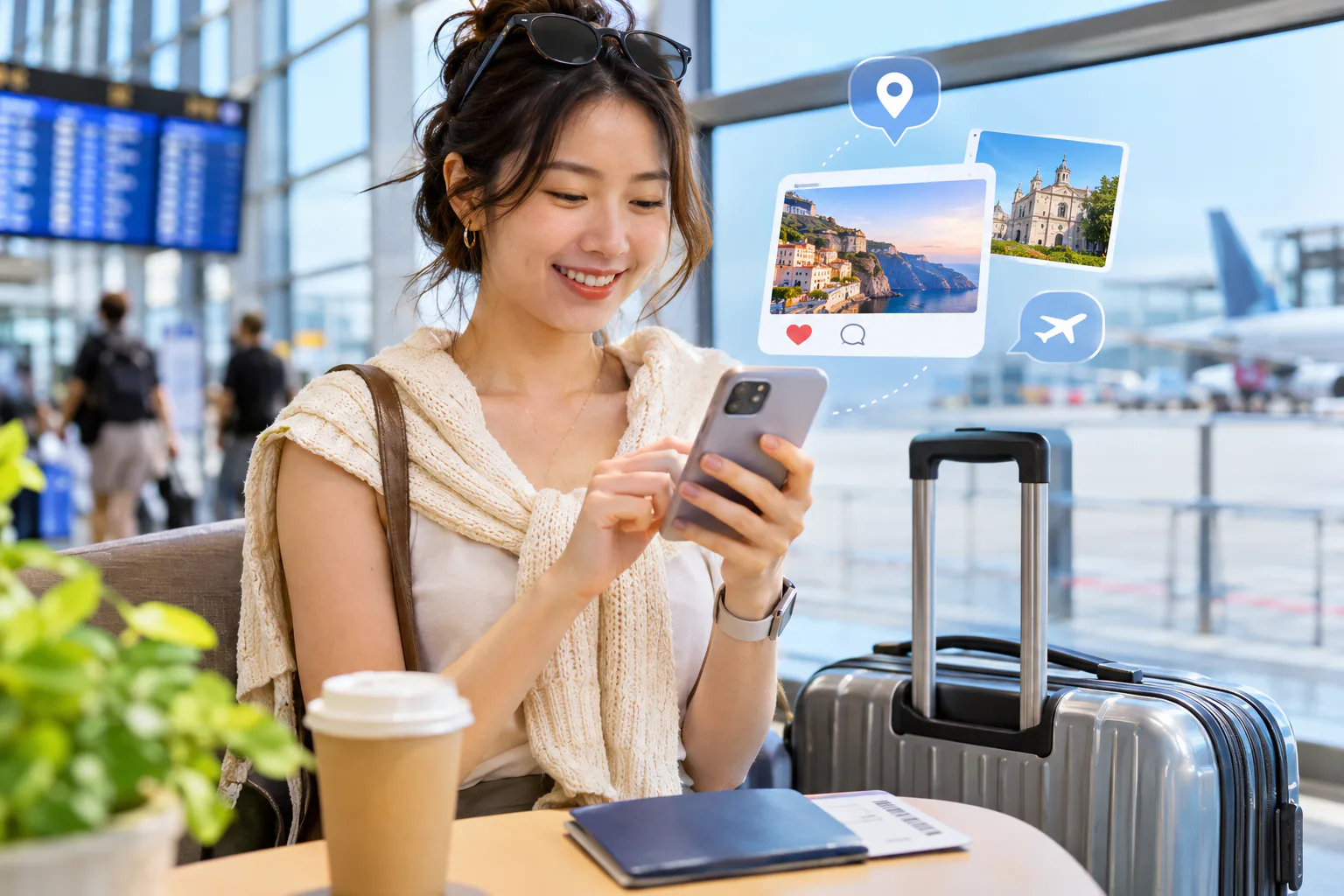
Many people share travel moments on Facebook, Instagram, Threads, or other social platforms: countdowns and luggage photos, airport check-ins, pictures posted from abroad, or public return dates. These everyday posts can unintentionally suggest that nobody is at home.
A 2025 survey commissioned by Allstate Canada and conducted by Léger found that 32% of active Canadian social media users share travel information before or during trips. The proportion was 51% among people aged 18–34. These are measures of sharing behaviour, not the percentage of households affected by break-ins.
Think About Who Can See Your Posts, Not Just Strangers
Even if your account is not completely public, posts can be forwarded or screenshotted. Showing details around your address, that everyone in the household is away, and your return date may make it easier to infer that the home is unoccupied. Consider posting travel photos after you return. If sharing in real time, review privacy settings and avoid revealing your address, live location, or complete itinerary.
Further reading: Allstate Canada social media safety tips for travellers
5 Ways to Improve Home Security While You Are Away
Tip 1: Do Not Publicly Share Your Entire Itinerary in Advance
Avoid publicly posting your departure date, flight details, or return date. Turn off photo location tagging where appropriate and remind family members not to publish the household’s travel schedule on public accounts.
Tip 2: Check Doors, Windows, and Possible Entry Points
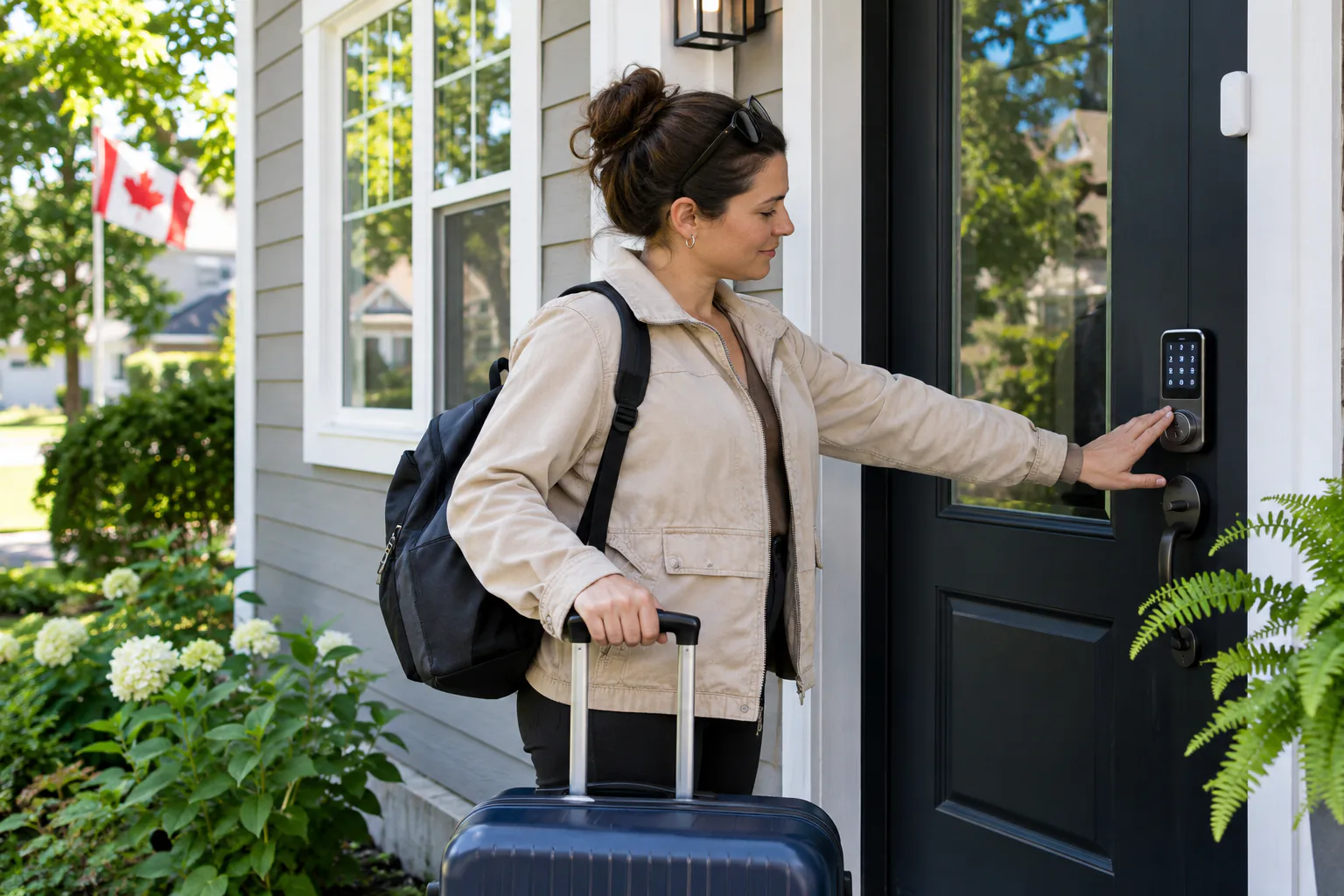
Inspect front and back doors, patio doors, basement windows, and garage entry points. If you use door or window sensors, test their alerts before leaving. Pay particular attention to less-used side entrances and basement windows.
Tip 3: Avoid Making Your Home Look Unoccupied for Extended Periods
Ask a trusted friend, family member, or neighbour to check the property, collect mail, look for unusual activity near the entrance, and help manage indoor lighting as needed.
Tip 4: Use Smart Cameras to Monitor Activity Near Your Home
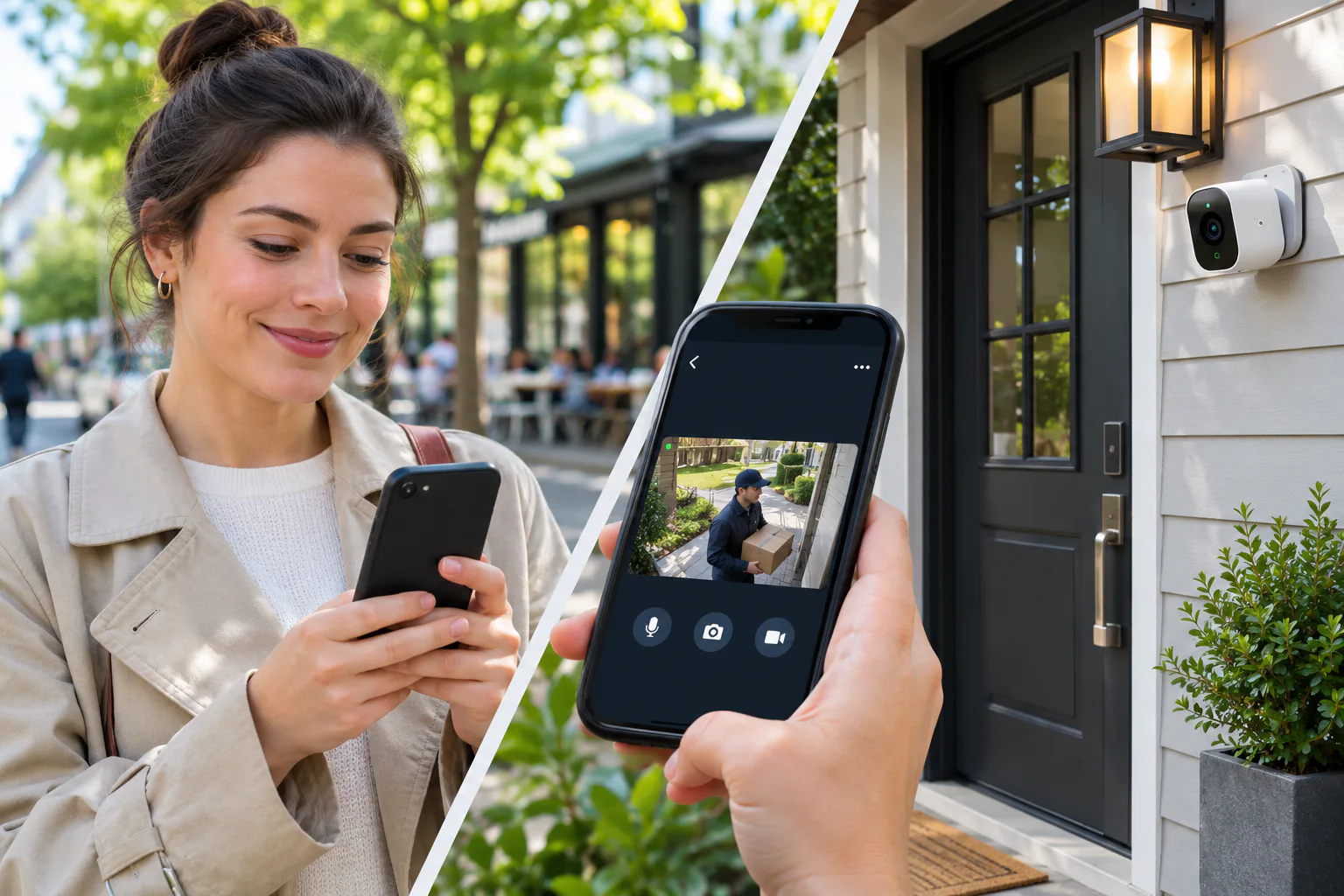
Devices with AI person detection and motion detection can send phone notifications when relevant activity occurs within their monitoring range. Travellers can review footage remotely and decide whether further action is needed.
Tip 5: Set Up Emergency Contacts Among Family and Neighbours
Confirm emergency contact arrangements before leaving. If you receive a suspicious alert, ask someone you trust to assess the situation safely. If you suspect an active break-in, avoid confronting anyone and contact police based on the urgency.
Learn More About iTalkBB Smart Home Camera Services
Learn More About iTalkBB Smart Home Alarm System Services
Smart Home Security: Stay Informed While You Are Away
Alongside basic precautions, smart devices can provide an additional layer of protection. For households that travel frequently, visit relatives overseas, or have seniors and children at home, checking home activity through a phone may help identify unusual situations sooner.
iTalkBB AIjia Smart Security Cameras
| Feature | Everyday use |
|---|---|
| AI person detection | Detects people within the camera’s monitored area |
| Real-time phone notifications | Receives app alerts when relevant activity occurs |
| Colour night vision | View footage in low-light conditions |
| 30-day cloud storage | Review and retain recordings according to service terms |
| Two-way audio | Communicate with visitors through the device |
| E911 emergency feature | Use emergency assistance through the app when eligibility and setup conditions are met |
The AIjia smart home alarm system can also work with door/window and motion sensors to provide alarms and app notifications when specified areas register unusual activity. Smart security cannot guarantee prevention of break-ins, but it can improve monitoring, recording, and alerts.
Learn More About iTalkBB Smart Home Camera Services
Learn More About iTalkBB Smart Home Alarm System Services
Home Security Matters Every Day, Not Just During Vacations
Home security involves everyday habits as well as locks and cameras. Whether you are away for summer vacation, the holidays, a weekend trip, or long hours at work, protecting your property deserves attention.
Limiting public information about family members’ movements, checking doors and windows, staying in touch with neighbours, and using smart security devices can help protect a home in different ways. iTalkBB AIjia aims to help Chinese Canadian families keep track of home activity through smart cameras and alarm systems.
Learn More About iTalkBB Smart Home Camera Services
Learn More About iTalkBB Smart Home Alarm System Services
Visit an iTalkBB Store or call 1-877-482-5522 to learn more.
Toronto: Pacific Mall, Frist Markham Place, Woodside Square, VIP Service Centre
Vancouver: Aberdeen Centre, Crystal Mall, Henderson Place, VIP Service Centre
Frequently Asked Questions (FAQ)
Which month has the highest home break-in risk in Canada?
In Allstate’s ten-year property-theft claims history, August had the highest number of related claims, with relatively more from July to November. These are not police statistics covering all incidents.
Why should homeowners be particularly attentive on Fridays?
Allstate recorded the most related claims on Fridays, followed by Thursdays. Residential break-ins can still occur on any day.
Does sharing vacation photos on social media increase break-in risk?
Sharing travel dates, live locations, and return dates publicly may suggest that a home is unoccupied. A post alone does not establish that a break-in will occur.
What home security checks should I do before travelling?
Lock doors and windows, avoid revealing your full itinerary, ask a trusted person to check the property, and test security notifications and emergency contacts.
Can security cameras prevent home break-ins?
Cameras can provide footage, activity notifications, and alerts, but cannot guarantee that a crime will be prevented.
Can I use iTalkBB AIjia outside Canada?
When app, device, and network requirements are met, users can view video and notifications remotely while abroad. Specific functions depend on service settings.
Does AIjia require an additional cloud storage purchase?
Official information states that eligible camera services include 30 days of cloud recording history; details depend on the subscribed plan.