Recognize Stroke Early and Act Within the Critical Treatment Window: Highlights and Recap
Topics: stroke signs、BE FAST stroke、stroke emergency response、senior home emergencies、Peace Tone、free health seminar
SUMMARY
Every second counts during a
stroke. This article covers BE FAST recognition, 911 emergency response,
daily prevention. It also explains how Peace Tone provides another way to
call for help when a senior feels unwell at night or falls at home.
A stroke can happen without warning. The sooner its signs are recognized and 911 is called, the better the chance that the patient can receive timely assessment and treatment. For seniors who live alone, knowing the warning signs may not be enough: sudden illness at night, a fall at home, or being unable to reach a phone can still delay help. Peace Tone provides an additional way to request assistance during a home emergency.
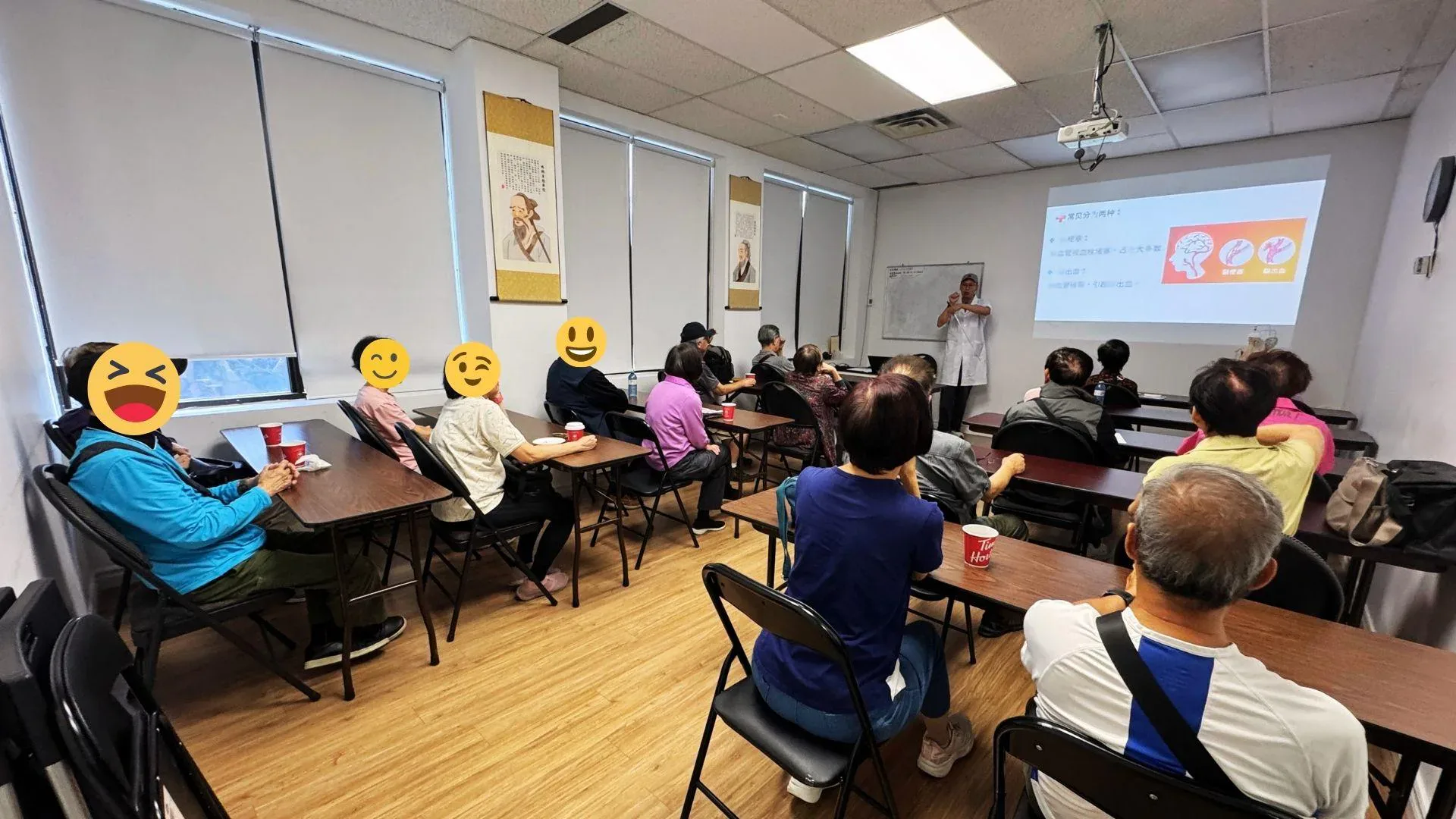
At the free seminar, “Common Medical Emergencies at Home for Seniors and How to Respond,” a registered traditional Chinese medicine practitioner and Academic Director at the Royal North American College of Traditional Chinese Medicine discussed stroke risks, the BE FAST method, emergency response and daily prevention.
Audience seated in a classroom watches a presenter beside a projected slide about stroke warning signs.Illustrative image: Chinese seniors attend a health seminar to learn how to recognize the signs of stroke early.
What Should You Do If You Suspect a Stroke?
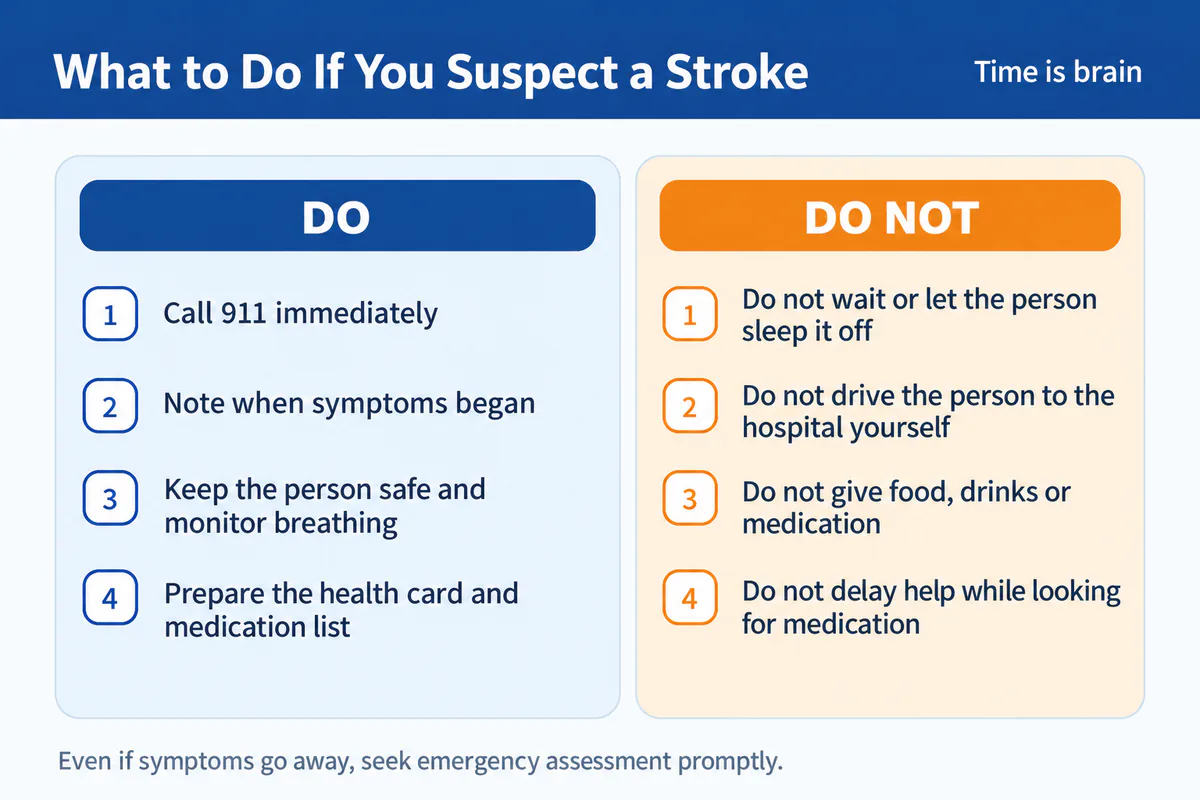
If a person develops facial drooping, weakness in one arm, slurred speech, sudden loss of balance or vision changes, seek emergency medical help immediately. Do not wait for the symptoms to go away, and do not drive the person to the hospital yourself.
Call 911 immediately via Peace Tone: Tell the dispatcher that you suspect a stroke and follow their instructions.
Note when the symptoms began: If you are unsure, record the last time the person was known to be well so the medical team can assess treatment options.
Keep the person safe: Let the person rest in a safe position, keep the airway clear, and monitor breathing and changes in consciousness.
Prepare basic information: If possible, gather the health card, allergy information, current medication list and emergency contact details.
Depending on the situation, do not give a seriously ill person water, food or medication. A stroke can affect swallowing and increase the risk of choking or aspiration. Do not delay calling 911 while looking for medication at home.
If you suspect a stroke, call 911, note when symptoms began and keep the person safe.
How Can BE FAST Help You Recognize a Stroke Early?
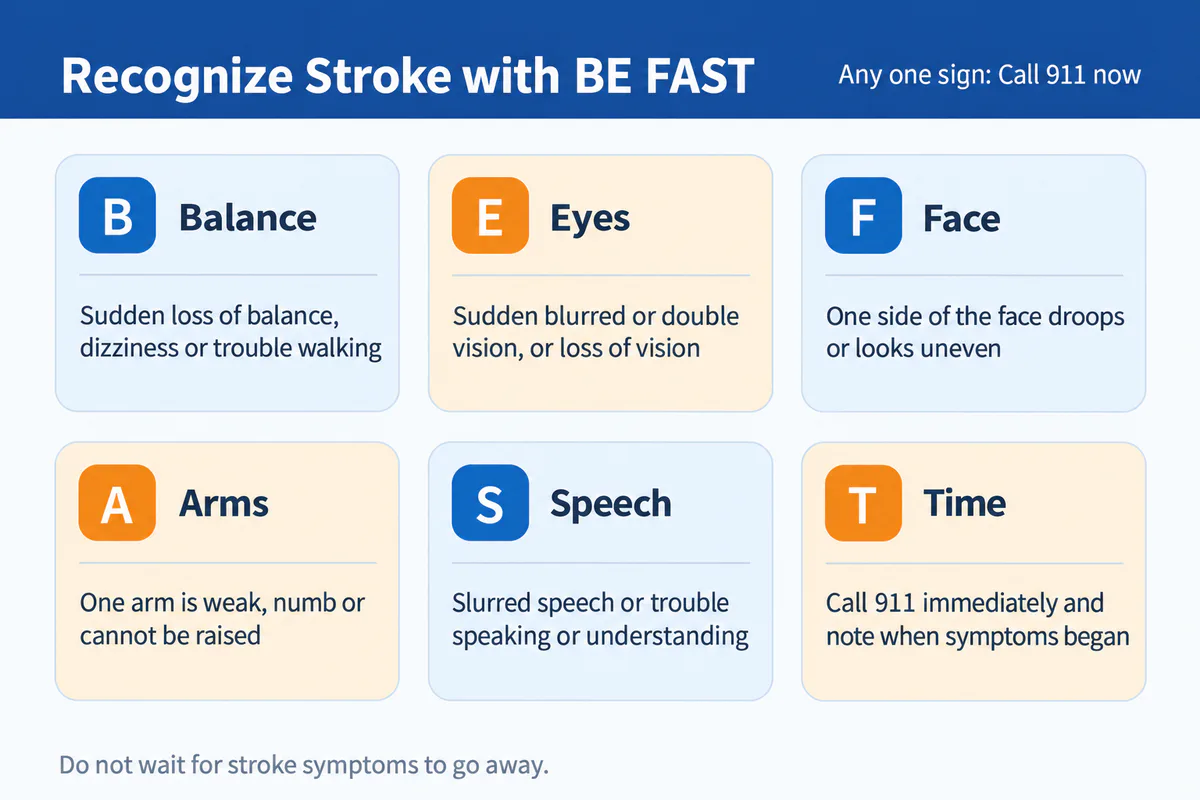
BE FAST summarizes common stroke warning signs in six letters, making them easier for seniors and family members to check quickly. If any one of these symptoms appears suddenly, call 911 without delay.
Letter
Meaning
What to Watch For
B
Balance
Sudden loss of balance, unsteady walking or dizziness
E
Eyes
Sudden blurred or double vision, or loss of vision
F
Face
One side of the mouth droops or the face looks uneven
A
Arms
One arm is weak, numb or cannot be raised
S
Speech
Slurred speech or trouble speaking or understanding
T
Time
Call 911 immediately and note when symptoms began
BE FAST helps families recognize stroke warning signs quickly. Call 911 immediately if any one sign appears.
How Can You Reduce the Risk of Stroke and Medical Emergencies at Home?
A stroke cannot always be predicted, but managing modifiable risk factors can help lower the risk. Seniors and caregivers can start with the following steps:
Check and manage blood pressure, blood sugar and cholesterol regularly; and manage body weight;
Take prescription medication as directed and do not stop or change it without medical advice;
Based on your physical condition, stay physically active after consulting a healthcare professional;
Choose a balanced, lower-sodium diet, stop smoking and limit alcohol;
Attend regular health checkups;
Keep hallways and bathrooms safe, improve lighting and reduce tripping hazards;
Plan emergency contacts and a way to call for help in advance, especially for seniors who live alone or have fallen before.
Seniors Home Alone Need Both Awareness and a Reliable Way to Call for Help
Medical emergencies at home do not happen only during the day. A senior may suddenly feel dizzy or experience chest discomfort at night, fall in the bathroom or on the stairs, develop weakness in the limbs, or be unable to contact family because a phone is out of reach. Arranging a way to request help without having to reach a phone can reduce helplessness during an emergency.
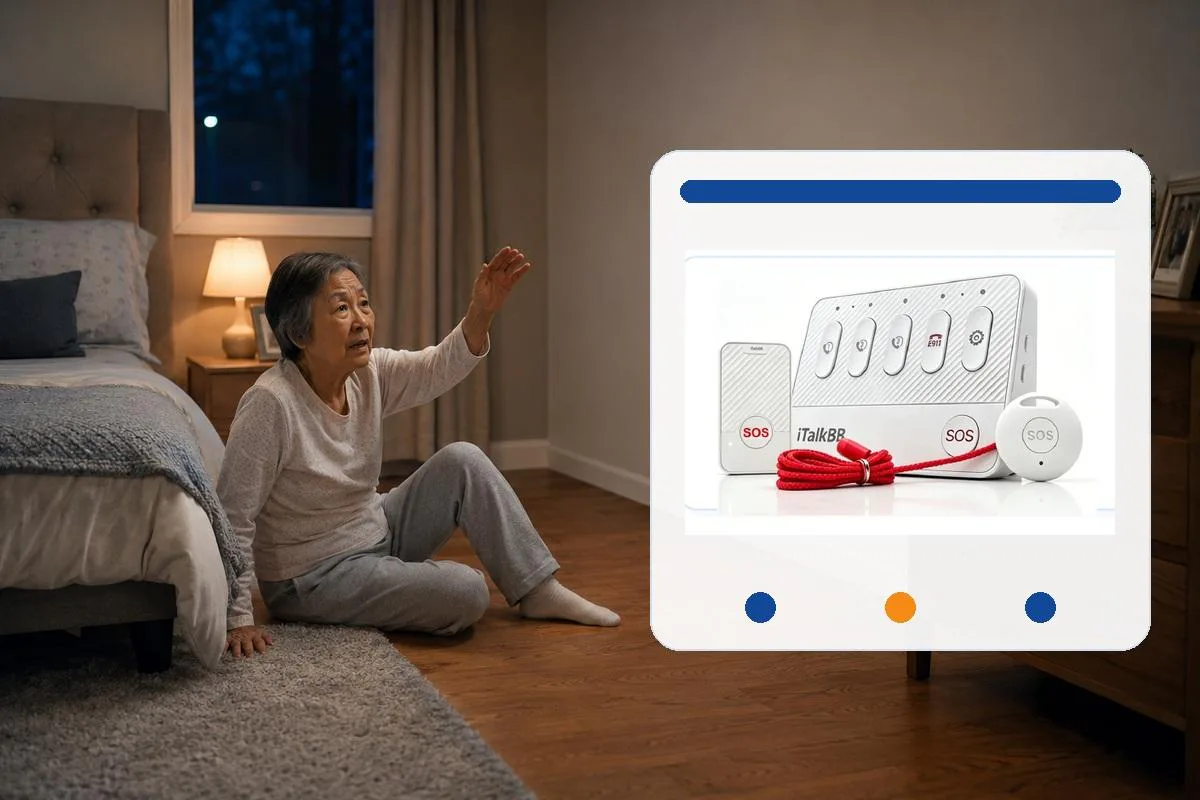
Peace Tone lets users call out “Gau3 Ming6” (meaning “help” in Chinese), press a wireless alert button, or pull a cord to send an emergency signal. Once activated, the system contacts preset family members according to the service settings. When needed, it can also connect to E911 and transmit the registered address.
Peace Tone supplements home safety by giving seniors another way to send an emergency signal when they cannot reach a mobile phone or walk to a telephone.
Illustrative image: Peace Tone provides another way to request help if a senior feels unwell at night, falls at home or cannot reach a mobile phone.
Free Health Seminar Concludes Successfully with Positive Participant Feedback
The free seminar, “Common Medical Emergencies at Home for Seniors and How to Respond,” was presented by a registered TCM practitioner and Academic Director at the Royal North American College of Traditional Chinese Medicine, together with King, Sales Manager at iTalkBB. It covered the causes and risks of stroke, the BE FAST method, steps to take when a stroke is suspected, and daily health management.
Participants listened attentively and took part in the discussion. After the event, many said the seminar was informative and practical. They left with a clearer understanding of how to respond to stroke warning signs and a greater appreciation of the need for a reliable help plan when seniors are home alone.
Thank You to the Royal North American College of Traditional Chinese Medicine for Supporting Senior Health Education
We sincerely thank the Royal North American College of Traditional Chinese Medicine for providing a comfortable venue and arranging for a professional TCM practitioner to share health and wellness advice. The college also operates a teaching clinic where a professional team provides diagnosis and treatment services. For information about programs and the clinic, visit the Royal North American College of Traditional Chinese Medicine website.
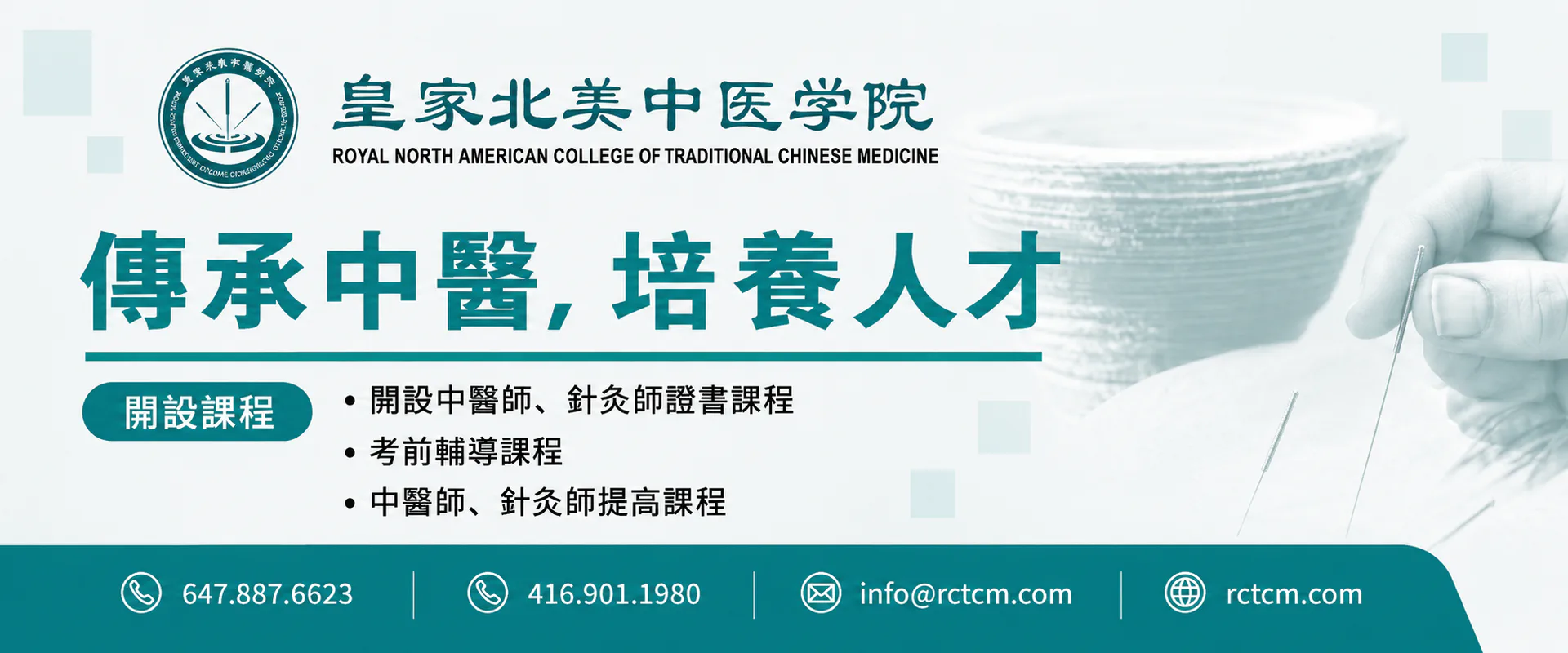
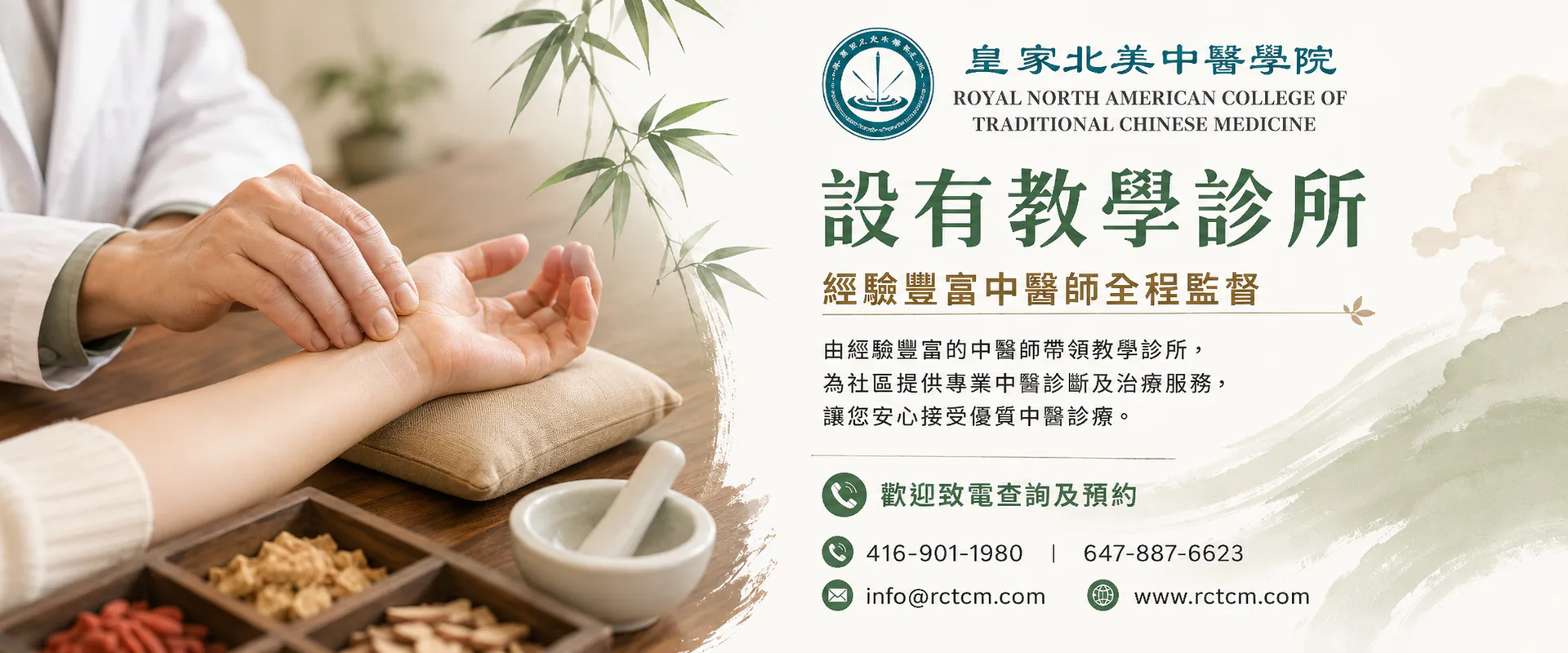
Royal North American College of Traditional Chinese Medicine poster promoting Chinese medicine and acupuncture courses.College poster advertising a teaching clinic with supervised traditional Chinese medicine services and contact details.
Frequently Asked Questions
What Are the Most Common Signs of Stroke?
Common warning signs include facial drooping, weakness or numbness in one arm, slurred speech, sudden loss of balance and sudden vision changes. Call 911 immediately if any one of these symptoms appears suddenly.
What Does BE FAST Stand For?
B is for Balance, E for Eyes, F for Face, A for Arms and S for Speech. T is for Time and reminds everyone to call 911 immediately.
Do I Still Need Medical Care If the Symptoms Go Away?
Yes. Brief stroke-like symptoms may indicate a transient ischemic attack and still require urgent medical assessment.
Why Should I Record When the Symptoms Began?
The time symptoms began, or the last time the person was known to be well, affects the medical team's assessment and treatment decisions. Record it as accurately as possible.
When Can Peace Tone Be Used to Call for Help?
Peace Tone can be used when a senior suddenly feels unwell at night, falls in the bathroom or elsewhere at home, experiences weakness in the limbs, or cannot reach a mobile phone to contact family. The user can call out “Gau3 Ming6,” press the alert button or pull the cord to send a help signal.
Medical and Information Disclaimer
Important Notice
This article is an event recap and provides
general health information only. It is not medical diagnosis or treatment
advice and does not replace guidance from a physician, traditional Chinese
medicine practitioner or other qualified healthcare professional.